The Programme · Why it exists
Recovery requires more than short‑term support.
When livelihoods are disrupted, recovery is not only about immediate assistance. It is also about restoring the ability of individuals and households to earn, adapt and build sustainable economic activity.
VLRRP responds by connecting participant assessment with appropriate livelihood pathways, capability development, livelihood activation, market and institutional linkages, and continued mentoring.

The effects of terrorism persist long after relief ends.
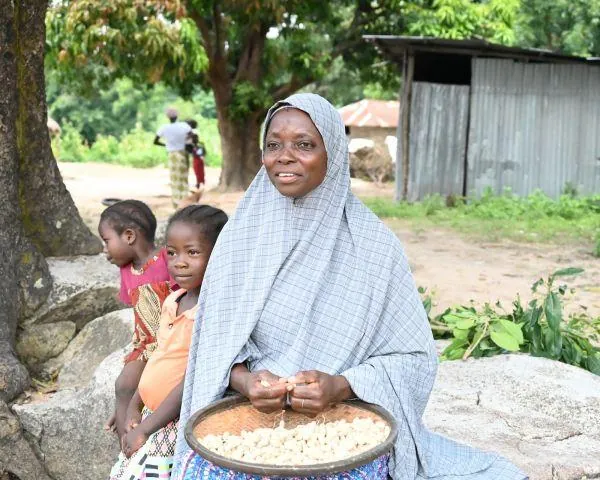
Violence disrupts income, businesses, productive assets, employment and market access. The loss of a primary breadwinner can create a sustained burden on care, education and household needs.
Training is not the end goal. Livelihood recovery is.
- 01Assessment
- 02Pathway matching
- 03Capability development
- 04Livelihood activation
- 05Market, finance & employer linkages
- 06Mentoring & follow-up
Toward viable, sustained livelihoods and greater self-reliance.
How it works · 8 stages
A pathway from disruption to economic resilience.
Rather than treating training or asset distribution as the final outcome, the programme follows the full journey. Tap a stage, or press play.
Identify
Reaching potential participants through outreach and appropriate referral channels.
Who it is for
Designed around people, not one-size-fits-all solutions.
Participants may have very different needs, circumstances, capabilities and aspirations. Assessment and pathway matching identify the most appropriate route.
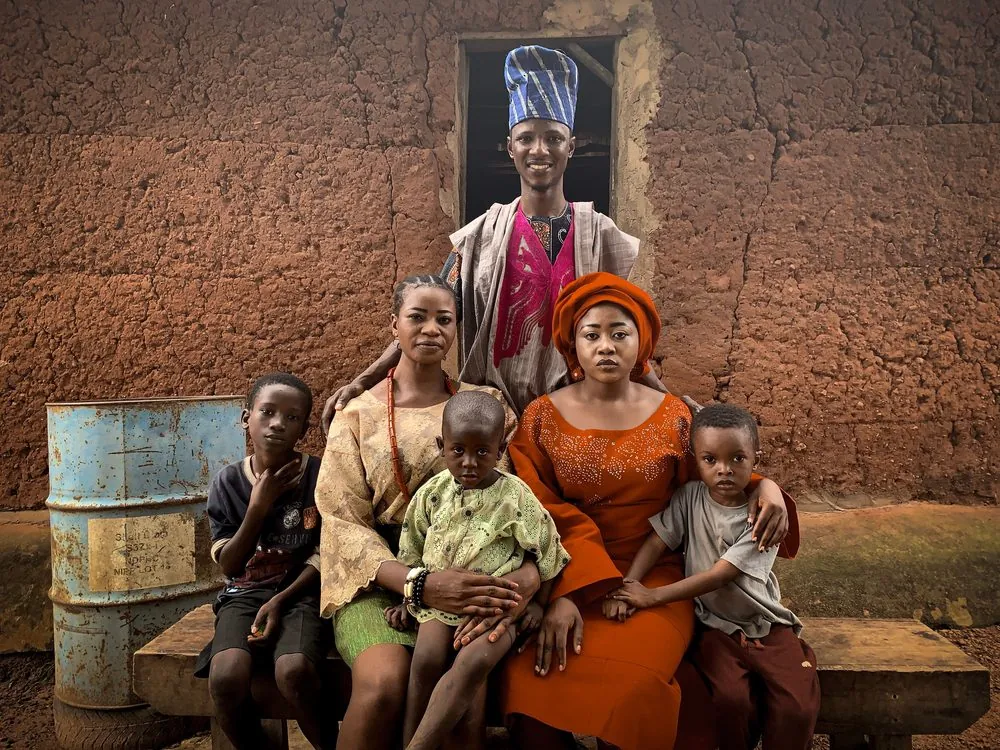
Widows & families of fallen Armed Forces, security and law-enforcement personnel

Other victims of terrorist activities and affected households

Vulnerable young adults from affected households and communities
- +
Other eligible participants identified through assessment
A TRANSPARENT, NEEDS-BASED SELECTION PROCESS
Eligibility, vulnerability and pathway suitability are assessed separately — reducing the risk of informal nomination, elite capture and duplication.
- 1 · Identification
- 2 · Verification
- 3 · Eligibility
- 4 · Vulnerability
- 5 · Livelihood Profiling
- 6 · Pathway Assessment
- 7 · Prioritisation
- 8 · Enrolment
Where eligible applicants exceed capacity, prioritisation considers relative vulnerability, severity of livelihood disruption, pathway suitability and feasibility of meaningful, sustainable support. Community structures support outreach and referral, but do not determine eligibility.
Improved livelihood capabilities
Improved access to productive resources and economic opportunities
Improved livelihood and income-generating capacity
Improved socioeconomic resilience and self-reliance
Participation and eligibility are subject to programme assessment and verification.
Next: Livelihood Pathways →